Learning Outcomes:
i. Describe the specific mechanisms by which vaccines prevent infectious diseases, using examples like polio, measles, hepatitis, and tetanus.
ii. Understand the concept of herd immunity and its role in protecting vulnerable populations.
iii. Appreciate the impact of vaccination on public health and global disease control.
Introduction:
Imagine a world where tiny invaders, invisible to the naked eye, wreak havoc on our health. These are infectious diseases, once prevalent and terrifying, but now held at bay by a powerful weapon: vaccines. Today, we embark on a thrilling journey into the world of vaccines, unveiling their secrets and understanding how they act like tiny "microblasters," protecting us from these microscopic foes.
i. The Secret Weapon: Unveiling Vaccine Mechanisms:
Polio: The polio vaccine, containing weakened poliovirus, triggers the immune system to produce antibodies that recognize and neutralize the real virus, preventing it from invading nerve cells and causing paralysis.
Measles: The MMR vaccine, containing measles, mumps, and rubella viruses, stimulates the immune system to develop antibodies and specialized immune cells that fight off these viruses, preventing the classic symptoms like fever, rash, and respiratory problems.
Hepatitis B: The hepatitis B vaccine introduces a harmless part of the hepatitis B virus, prompting the immune system to produce antibodies that block the virus from entering liver cells and causing infection.
Tetanus: The tetanus vaccine triggers the immune system to produce antibodies that neutralize the tetanus toxin, preventing muscle spasms and lockjaw, a potentially fatal complication of this bacterial infection.
ii. A Force Field for All: Understanding Herd Immunity:
Vaccination not only protects individuals but also creates a "force field" for the entire community. When a high percentage of the population is vaccinated, it reduces the overall circulation of the virus or bacteria, making it difficult for the disease to spread, even to those who are not vaccinated, especially vulnerable individuals like infants and people with weakened immune systems.
iii. A Global Shield: The Impact of Vaccination on Public Health:
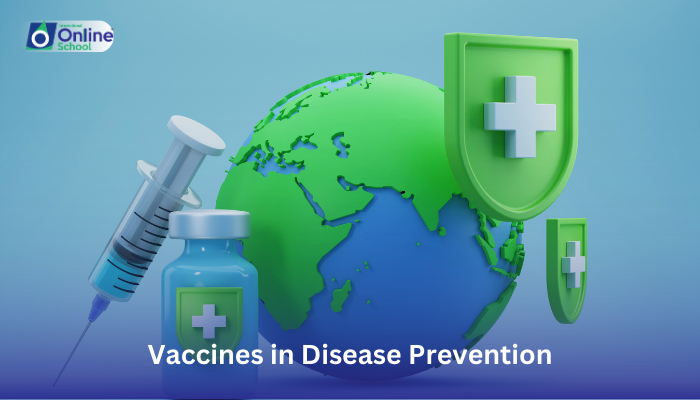
Vaccination has revolutionized disease control, saving millions of lives each year. It has led to the eradication of smallpox, near eradication of polio, and significant declines in the burden of diseases like measles, hepatitis B, and tetanus. This translates to healthier communities, reduced healthcare costs, and improved economic and social well-being.
Vaccines are not just needles and jabs; they are powerful tools that empower us to take control of our health and protect our communities. By understanding how they work, appreciating their impact on public health, and actively participating in vaccination programs, we can build a future where infectious diseases are no longer a threat, but a distant memory, and every child, every family, and every community can flourish under the shield of vaccination.
